
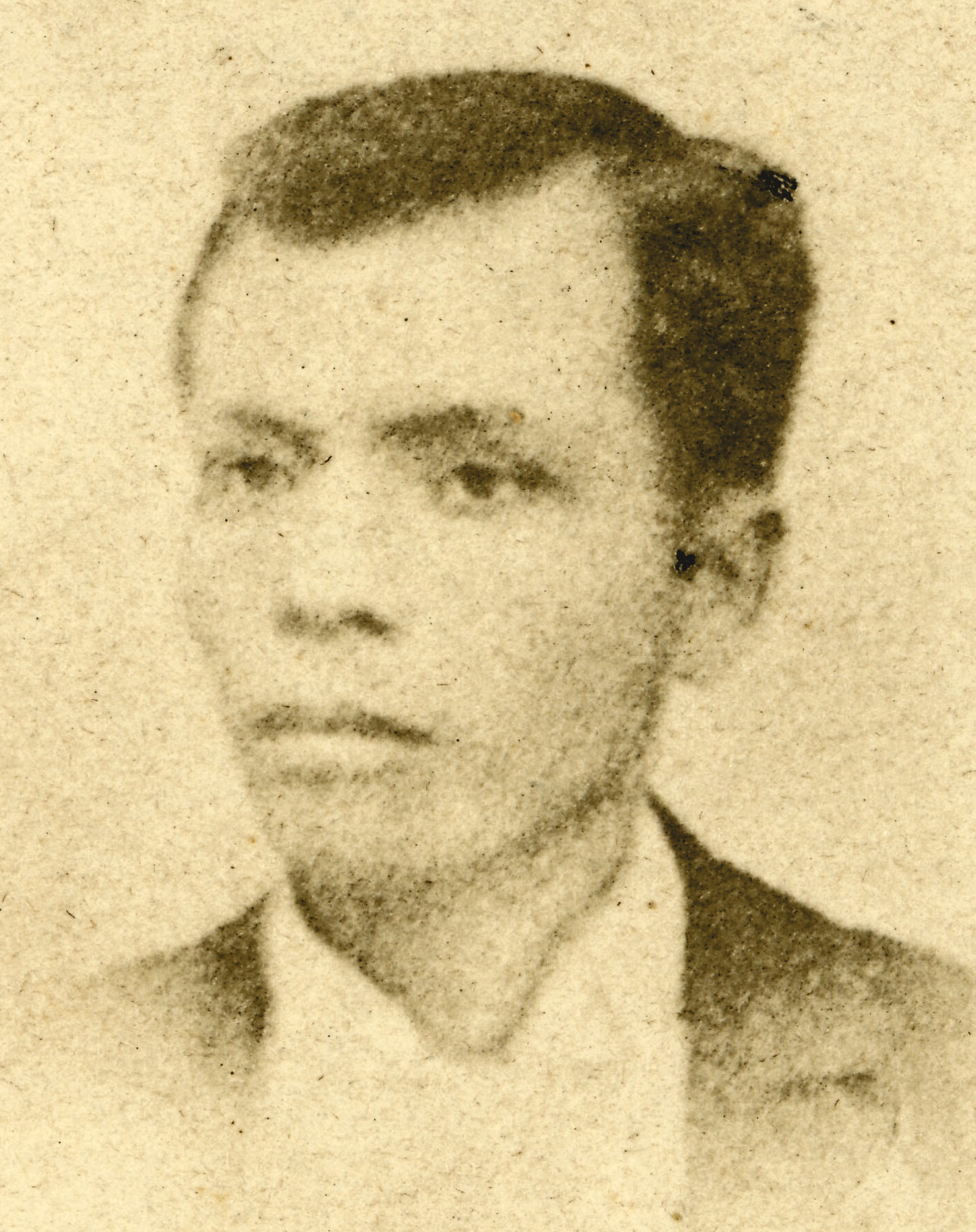
Photo Source: Wikimedia Commons
Today, as we commemorate the birth of Andres Bonifacio, I find myself thinking not only about the Katipunan, but about leadership — the kind that emerges not from rank or privilege, but from conviction.
Bonifacio was not a general in polished boots. He was not backed by wealth, influence, or formal education. He led because he had to, because no one else dared, because the moment demanded courage more than credentials.
And in many ways, his story feels familiar to anyone who has worked inside government long enough.
Because public service, too, often demands leadership without fanfare, courage without applause, and perseverance without promise of reward.
Leadership Is Not a Title
Bonifacio was a warehouse clerk long before he became “Supremo.” His authority was not bestowed; it was earned through trust, sweat, and shared struggle.
In government, I have seen the same truth:
Some of the strongest leaders do not always sit at the very top of the organizational chart.
They include career Directors who lead their technical teams with integrity, division chiefs who protect their people, supervisors who quietly fight for fairness, and staff who keep going despite exhaustion because others rely on them.
Leadership, after all, is not about position. It is about responsibility and accountability.
Courage Is Daily Work
We imagine Bonifacio’s courage in battle, but rarely the quieter courage he lived every day:
- starting something uncertain
- convincing people to believe
- choosing action despite fear and not knowing everything
- standing up to those more powerful
Public service requires its own form of bravery — not dramatic, not loud, but deeply human.
It is the courage to push for reforms when resistance is strong.
To speak truth when silence is easier.
To make decisions that may not be popular but are necessary.
To hold the line when pressure builds.
Sometimes, the bravest thing a public servant can do is simply show up again tomorrow.
Purpose Gives Strength
Bonifacio’s revolution was not rooted in anger but in love — love of country, of freedom, of dignity.
Purpose gave him resilience.
For those of us in public service, purpose is our anchor as well.
When the work becomes heavy…
When the system becomes overwhelming…
When frustrations pile up quietly inside us…
Purpose steadies the heart.
It keeps us human.
It reminds us why we entered this vocation in the first place.
People Are at the Heart of Leadership
Bonifacio led not to be admired, but to uplift others. His revolution was born in the homes of ordinary people — carpenters, clerks, farmers, vendors. He trusted the masses because he came from among them.
That lesson stays with me.
Leadership is not about being above people.
It is about being among them.
As public servants, our decisions ripple across lives we may never meet, but whose futures are shaped by what we do — and what we fail to do.
And that is why gender equality, mental wellness, and humane workplaces are not “soft” concerns.
They are matters of justice.
They are modern revolutions.
They are essential to building institutions that truly serve.
Carrying the Flame Forward
As we honor Andres Bonifacio today, I think of the Katipunan not as a relic, but as a reminder.
There are still battles to fight —
not with bolos,
but with integrity,
with compassion,
with principled leadership,
with the belief that change is possible even inside systems that feel impossibly slow.
Every act of fairness, every stand for dignity, every effort to care for our people — these are small but powerful revolutions.
And maybe this is what Bonifacio ultimately teaches us:
That leadership is possible anywhere.
That courage is a choice.
That public service, done with heart, is its own form of heroism.
In our everyday work, we carry the spirit of the Katipunan —
quietly, persistently, and with purpose.
— Director Noreen


No comments:
Post a Comment